When you need coating systems that resist abrasion, maintain gloss, and withstand chemical exposure, polyurethane delivers. All Source Building Services applies advanced polyurethane coating systems for equipment, floors, and surfaces requiring superior toughness and long-term appearance retention in demanding industrial environments.
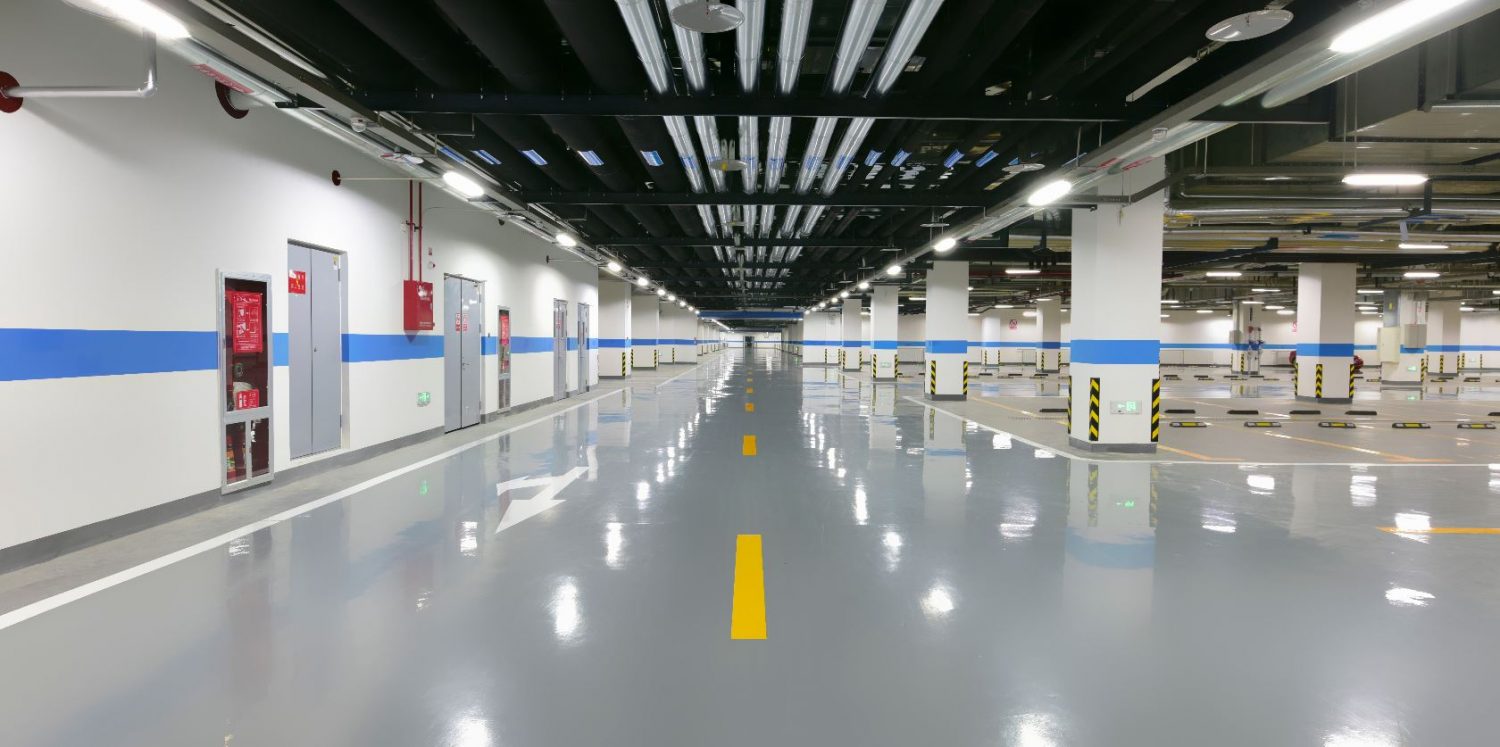
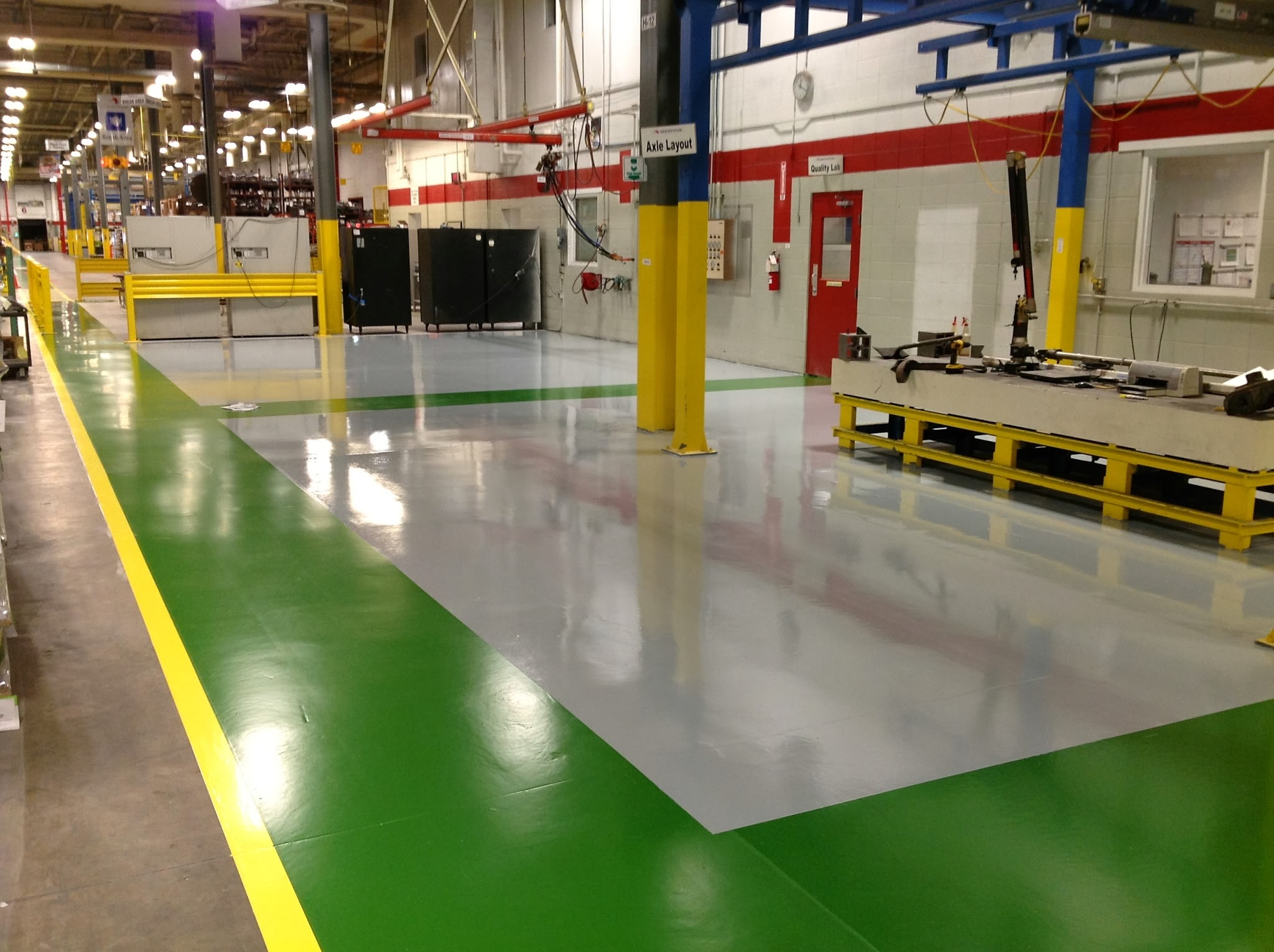
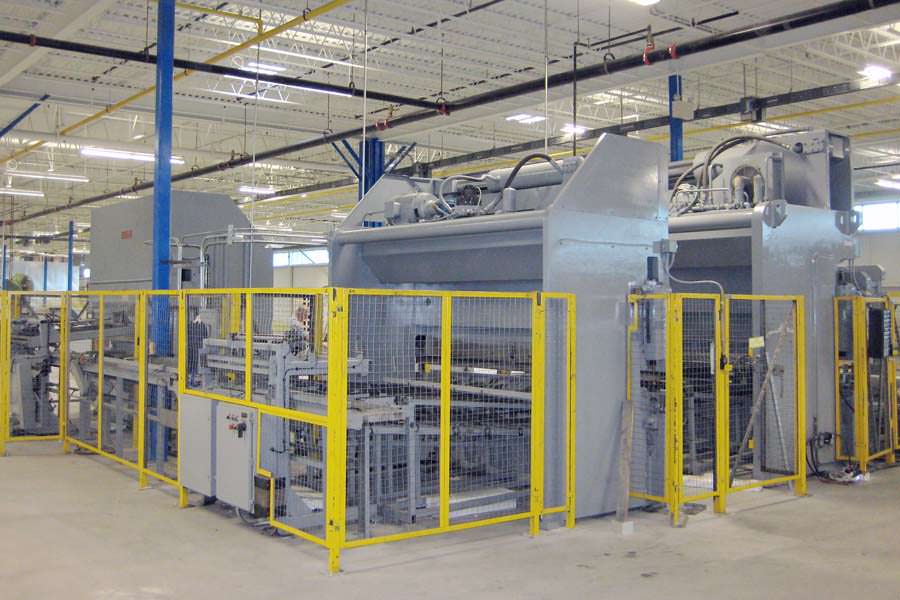
Walk through any automotive manufacturing facility and you’ll see polyurethane coatings everywhere – on production equipment maintaining glossy appearance despite years of abuse, on floors resisting tire marks and hydraulic fluid, on metal components exposed to weather yet looking freshly painted. Polyurethane occupies the sweet spot between epoxy’s chemical resistance and acrylic’s UV stability, making it the go-to choice when you need both properties in single coating system.
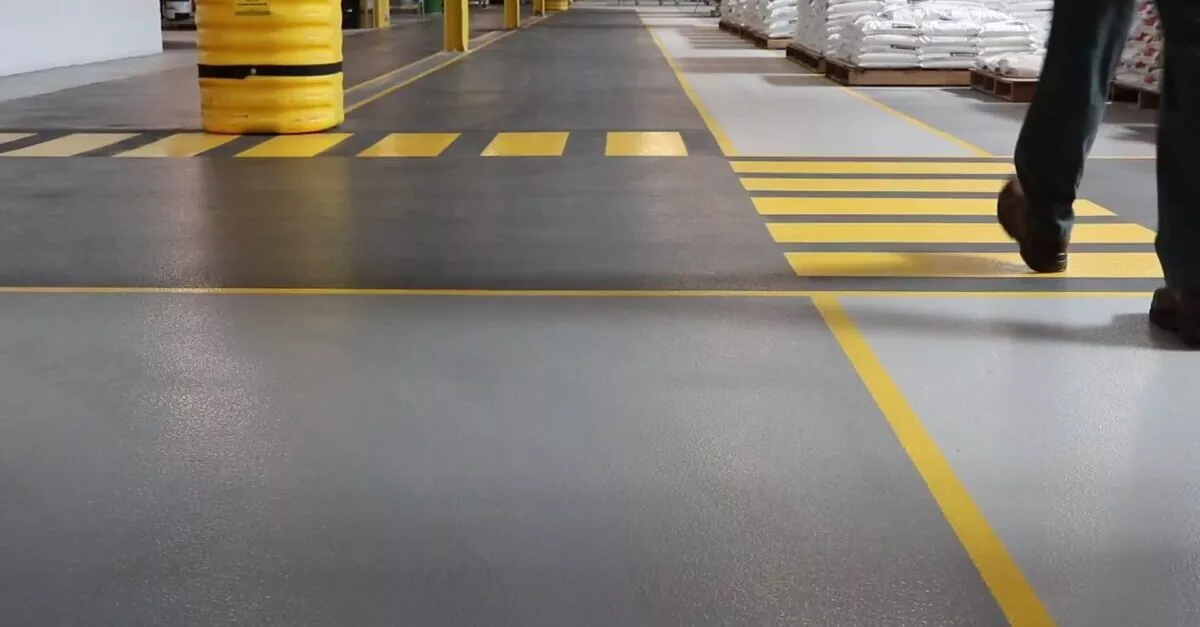
What separates polyurethane from cheaper alternatives isn’t just marketing hype. The urethane linkage in polymer chain creates exceptionally tough, flexible film resisting mechanical damage that destroys lesser coatings. A forklift tire dragging across polyurethane floor leaves no mark. The same action on standard epoxy creates permanent scuffing. This isn’t theoretical – it’s measurable performance difference we see daily on industrial floors and equipment.
We don’t recommend polyurethane for everything – it costs more than alternatives. But when conditions demand its unique properties, nothing else delivers equivalent performance:

Here’s where many contractors lose clients money through ignorance or corner-cutting. All polyurethanes aren’t created equal. The chemical structure difference between aromatic and aliphatic polyurethanes creates dramatic performance differences – and dramatic price differences.
Aromatic polyurethanes use benzene ring structures in polymer backbone. These rings absorb UV radiation, causing yellowing and eventual chalking when exposed to sunlight. Inside buildings away from UV? Aromatics deliver excellent performance at reasonable cost.
Advantages: Lower cost (30-40% cheaper than aliphatic), excellent chemical resistance, superior hardness and abrasion resistance, and faster cure times. We specify aromatic polyurethane for interior floors, equipment painting, and applications where UV exposure is minimal or color retention isn’t critical.
The yellowing issue is real but predictable. White aromatic polyurethane floor in windowless warehouse? Minimal yellowing over years. Same coating near overhead doors with sunlight exposure? Noticeable amber tone within months. Understanding exposure allows appropriate specification.
Aliphatic polyurethanes use straight-chain or cyclic (non-aromatic) structures resisting UV degradation. This stability comes at significant cost premium – aliphatics run 40-60% more than aromatics.
The investment pays dividends in UV-exposed applications. Exterior equipment maintains original color indefinitely. White floors in sunlit showrooms stay white. High-end facilities where appearance matters justify aliphatic premium.
We’ve watched competitors specify aromatic polyurethane on exterior equipment trying to save clients money. Year later, equipment looks aged and yellowed. Owners unhappy. Contractor defensive. False economy costing more long-term when premature recoating becomes necessary.
Here’s professional secret: combining coating technologies captures best properties of each. Epoxy base coat provides adhesion, chemical resistance, and builds film thickness economically. Polyurethane topcoat adds UV stability, gloss retention, and superior toughness.
This hybrid system costs less than full polyurethane buildup while delivering similar performance. We use this extensively on floors requiring both chemical resistance (epoxy strength) and appearance retention (polyurethane strength). Two coats epoxy base (8-12 mils) plus one coat aliphatic polyurethane (3-5 mils) outperforms either technology alone.
Moisture-cured polyurethanes react with atmospheric moisture, eliminating mixing requirements but creating application challenges. Humidity affects cure rate – too dry slows curing, too humid creates bubbling. They also release isocyanates during cure requiring respiratory protection.
Two-component polyurethanes (resin plus hardener) cure through chemical reaction independent of moisture. More predictable performance but requires precise mixing and pot life awareness. For industrial applications demanding consistent results, we prefer two-component systems despite added mixing complexity.
Traditional solvent-based polyurethanes deliver maximum performance – superior flow, better substrate wetting, and ultimate toughness. Environmental regulations increasingly restrict their use due to VOC content.
Water-based polyurethanes achieve respectable performance with drastically lower VOC emissions. Modern formulations approach solvent-based quality for many applications. Tradeoffs include slower dry times, greater sensitivity to application conditions, and slightly lower chemical resistance.
We stock both, selecting based on performance requirements, environmental regulations, and facility ventilation capabilities. Occupied facilities often mandate water-based. Unoccupied spaces allow solvent-based when performance justifies.
Polyurethane reacts with moisture – it’s how moisture-cured systems work. But moisture reaction during wrong application phase creates defects. Apply polyurethane when humidity exceeds 85% and watch pinholing develop as coating reacts with atmospheric moisture during cure. Surface feels rough like fine sandpaper from thousands of microscopic bubbles.
Conversely, extremely low humidity (below 30%) can slow moisture-cured polyurethane cure to crawl. We’ve seen floors remain tacky for days in climate-controlled facilities with desert-dry air.
Professional applicators monitor humidity continuously, adjusting application schedules to stay within manufacturer-specified windows. We don’t gamble with conditions because callbacks cost more than rescheduling.
Two-component polyurethanes don’t wait for convenience. Once mixed, chemical reaction begins. Typical pot life runs 30-90 minutes depending on temperature and formulation. Material in bucket generates exothermic heat accelerating cure – what started as 45-minute pot life can become 20 minutes if mixed too thick or ambient temperature too high.
This demands efficient crews working systematically. Mix too much material and watch it gel in bucket before application. Mix too little and create lap marks from multiple batches. We’ve refined mixing and application choreography over thousands of projects, ensuring efficient material use without waste or defects.
Apply second coat too soon – trapped solvents cause wrinkling or poor adhesion. Wait too long – surface becomes too hard requiring abrasion for mechanical grip. Most polyurethanes specify 6-24 hour recoat window at 70°F. Temperature changes this dramatically – 90°F might shorten window to 4-12 hours, 55°F might extend to 12-48 hours.
Miss the recoat window and you’re abrading cured polyurethane – hard, time-consuming work. Professional scheduling ensures optimal intercoat timing maximizing adhesion while minimizing labor.
Manufacturer data sheets specify application temperature ranges. Contractors focus on air temperature, ignoring substrate temperature. Cold concrete radiating 45°F in 65°F shop? Coating performance suffers regardless of air temperature.
We measure both, ensuring substrate reaches minimum specified temperature before application. In cold facilities, this sometimes means delaying application, using radiant heaters, or recommending facility temperature increase. Short-term discomfort beats long-term coating failure.
Polyurethane manufacturers specify optimal dry film thickness – usually 2-4 mils for topcoats. Clients sometimes request extra-thick coatings believing more equals better value. Reality: polyurethane performs optimally in thin films. Excessive thickness creates brittleness, poor adhesion, and solvent retention issues.
If thick coating is needed, build with multiple thin coats rather than single thick application. Three coats at 3 mils each outperform single 9 mil coat through better intercoat adhesion and reduced internal stress.
Even aliphatic polyurethanes yellow slightly – just far less than aromatics. Clients expecting factory-fresh white indefinitely face disappointment. We set realistic expectations upfront: aliphatic polyurethanes maintain appearance far better than alternatives, but perfection forever is unrealistic.
Interior aromatic applications yellow noticeably. If bright white is non-negotiable long-term, polyurethane isn’t right choice. Acrylic or specialized UV-stable coatings may serve better despite other performance tradeoffs.
While polyurethanes resist many chemicals well, they’re not universal solvents shields. Strong acids, bases above pH 12, and certain solvents (MEK, acetone with prolonged exposure) attack polyurethane. Methylene chloride paint stripper destroys polyurethane rapidly – we’ve watched coating bubble and lift in minutes.
We reference chemical resistance charts before specifying polyurethane where aggressive chemicals are present. For extreme chemical exposure, alternative technologies (vinyl ester, novolac epoxy) may be necessary despite higher cost.
At All Source Building Services, we are your trusted partner for all your commercial needs. Whether you require expert painting services, thorough air duct cleaning, or comprehensive renovation and repairs, our team of skilled professionals is here to exceed your expectations.
We take pride in delivering unparalleled quality, reliability, and customer service across all our service areas. Our commitment to excellence has earned us a stellar reputation among our clients, who trust us to handle their most demanding projects with precision and care.
Every crew carries insurance and is trained specifically in the service they are provideing. No hassles, just work done on time to keep your business running.
We understand the needs of our commercial property customers. We know how important it is to keep your business running with minimal disruption during the project.
With a State-of-the-Art Scheduling, Management, & GPS Technician Tracking System, we can Dispatch a Service Technician Within an Hour. We get the right team to you quickly.
Most facility managers underestimate industrial painting costs and pay for it later. This guide breaks down real pricing, hidden expenses, and how to budget your project the right way in 2026.
If you’re managing a facility in Metro Atlanta and you need an industrial coating plan that holds up, we can help you move fast without cutting corners.
Safety coatings do far more than make your facility look professional: they protect your workforce, your equipment, and your bottom line. Yet every week across Metro Atlanta, facility managers unknowingly compromise their warehouse safety by making preventable coating mistakes that lead to accidents, OSHA citations, and expensive remediation projects. Here’s the reality: improper industrial coatings […]
Learn the impact of high-rise building exterior painting in Atlanta. Enhance aesthetics and boost property value with expert solutions.
Discover tips for successful commercial painting in Atlanta this fall. Learn about preparation, weather monitoring, and material selection.
Discover essential safety protocols for effective handling and execution of commercial interior painting projects with trusted contractors in Atlanta.