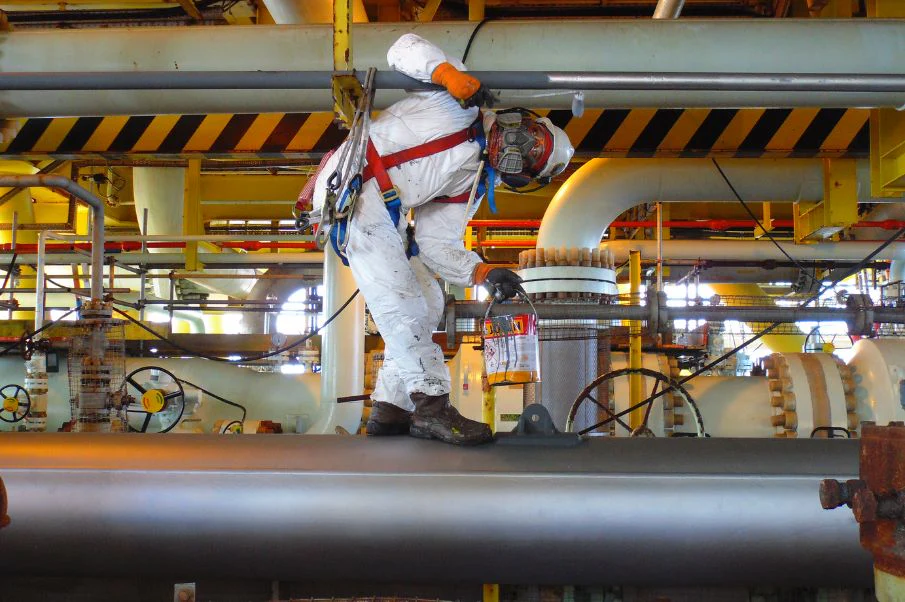
Industrial coatings play a crucial role in protecting and enhancing various surfaces and structures in demanding environments. These specialized coatings are designed to withstand harsh conditions, provide durability, and extend the lifespan of industrial assets. In this comprehensive guide, we’ll dive into the world of industrial painting, explore the different types of industrial coatings, and discuss their applications and benefits.
What is Industrial Painting?
Industrial painting is the process of applying protective and functional coatings to surfaces and structures in industrial settings. Unlike conventional painting, industrial painting involves the use of specialized coatings that are formulated to meet specific performance requirements. These coatings are applied to a wide range of surfaces, including metal, concrete, and plastics, to provide protection against corrosion, abrasion, chemical exposure, and extreme temperatures.
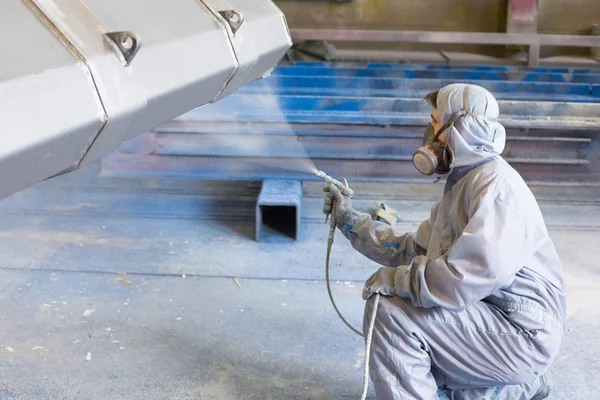
Industrial painting is carried out by skilled professionals who have expertise in surface preparation, coating selection, and application techniques. The process often involves the use of advanced equipment, such as airless sprayers, to ensure even coverage and optimal coating performance.
Industrial Painting vs. Commercial Painting
While industrial painting and commercial painting share some similarities, there are distinct differences between the two. Commercial painting typically refers to the painting of office buildings, retail spaces, and other commercial properties. The focus is often on aesthetics and creating a visually appealing environment.
On the other hand, industrial painting prioritizes functionality and protection. Industrial coatings are designed to withstand the unique challenges of industrial environments, such as exposure to chemicals, extreme temperatures, and heavy machinery. The primary goal of industrial painting is to extend the lifespan of assets, reduce maintenance costs, and ensure the safe and efficient operation of industrial facilities.
Types of Industrial Coatings
There are various types of industrial coatings, each designed to meet specific performance requirements. Let’s explore some of the most common types of industrial coatings:
- Epoxy Coatings:
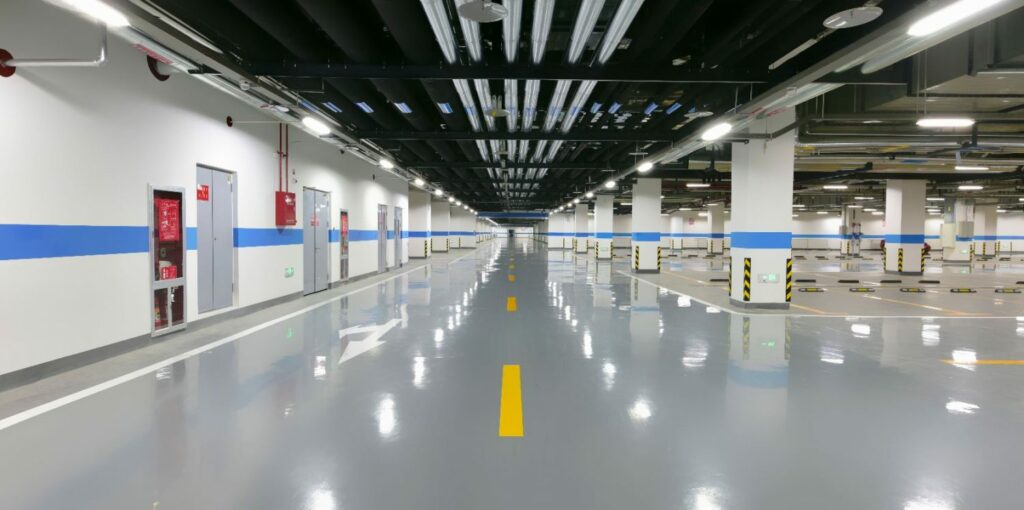
Epoxy coatings are known for their excellent adhesion, durability, and resistance to chemicals and abrasion. They are widely used in industrial floors, tanks, pipes, and machinery. Epoxy coatings provide a tough, seamless surface that can withstand heavy traffic, impact, and exposure to harsh substances. - Polyurethane Coatings:
Polyurethane coatings offer exceptional abrasion resistance, UV stability, and flexibility. They are commonly used in automotive, aerospace, and manufacturing industries. Polyurethane coatings provide a high-gloss finish and can be formulated to meet specific color and performance requirements. - Alkyd Coatings:
Alkyd coatings are versatile and offer good durability, gloss retention, and resistance to weathering. They are often used in the protection of industrial equipment, machinery, and structural steel. Alkyd coatings are known for their quick drying times and ease of application. - Zinc-Rich Coatings:
Zinc-rich coatings provide excellent corrosion protection for steel surfaces. They work by sacrificially corroding in place of the steel substrate, thus preventing rust formation. Zinc-rich coatings are commonly used in marine environments, bridges, and industrial structures exposed to harsh weather conditions. - Acrylic Coatings:
Acrylic coatings are known for their UV resistance, color retention, and durability. They are often used on exterior surfaces of industrial buildings, storage tanks, and silos. Acrylic coatings provide a long-lasting, protective finish that resists fading and chalking.
Benefits of Industrial Coatings
Industrial coatings offer numerous benefits that contribute to the longevity, efficiency, and safety of industrial assets. Some key benefits include:
- Corrosion Protection:
Industrial coatings act as a barrier against corrosive elements, such as moisture, chemicals, and salt spray. By preventing corrosion, these coatings extend the lifespan of metal surfaces and reduce the need for costly repairs or replacements. - Abrasion Resistance:
Coatings like epoxy and polyurethane offer excellent resistance to abrasion, protecting surfaces from wear and tear caused by heavy traffic, friction, and impact. This abrasion resistance helps maintain the integrity and appearance of industrial floors, machinery, and equipment. - Chemical Resistance:
Industrial environments often involve exposure to harsh chemicals, solvents, and acids. Specialized coatings, such as epoxy and polyurethane, provide a protective barrier against chemical attack, preventing degradation and ensuring the longevity of surfaces. - Temperature Resistance:
Certain industrial coatings are formulated to withstand extreme temperatures, both high and low. These coatings maintain their integrity and performance in demanding thermal conditions, making them suitable for use in industrial ovens, refrigeration units, and other temperature-sensitive applications. - Improved Safety:
Industrial coatings can contribute to a safer working environment. For example, non-slip coatings on industrial floors reduce the risk of slips and falls, while high-visibility coatings improve safety in low-light conditions. Coatings that resist the buildup of dirt and grime also promote a cleaner and more hygienic workplace. - Aesthetic Enhancement:
While functionality is the primary focus of industrial coatings, they can also enhance the visual appeal of industrial spaces. Coatings come in a wide range of colors and finishes, allowing for customization and branding opportunities. A well-maintained and visually appealing industrial facility can boost employee morale and create a positive impression on visitors and customers.
Choosing the Right Industrial Coating
Selecting the appropriate industrial coating for your specific application is crucial to achieving optimal performance and protection. Factors to consider when choosing an industrial coating include:
- Substrate material (e.g., metal, concrete, plastic)
- Environmental conditions (e.g., temperature, humidity, chemical exposure)
- Performance requirements (e.g., abrasion resistance, corrosion protection)
- Application method (e.g., brush, roller, spray)
- Regulatory compliance (e.g., VOC regulations, safety standards)
It’s essential to work with experienced industrial painting professionals who can assess your needs and recommend the most suitable coating system for your specific application.
Trust All Source Building Services for Your Industrial Coating Needs
At All Source Building Services, we specialize in providing top-quality industrial coating solutions tailored to meet the unique requirements of our clients. Our team of certified and experienced professionals has the expertise to handle projects of any scale and complexity.
From surface preparation to coating application and final inspection, we follow industry best practices and adhere to strict quality standards. We use state-of-the-art equipment and premium coating products to ensure exceptional results that stand the test of time.
Whether you need protective coatings for your industrial floors, machinery, tanks, or structures, All Source Building Services has the knowledge and expertise to deliver long-lasting, high-performance solutions.
Contact us today to discuss your industrial coating needs and learn how we can help you protect and enhance your valuable assets. Our knowledgeable team is ready to provide expert guidance and support throughout your project.
Don’t settle for less when it comes to protecting your industrial investments. Trust All Source Building Services for all your industrial coating requirements and experience the difference of working with a reliable and professional partner.
Get a Free On-Site Estimate to Find What Type of Industrial Coating You Need
Tags: