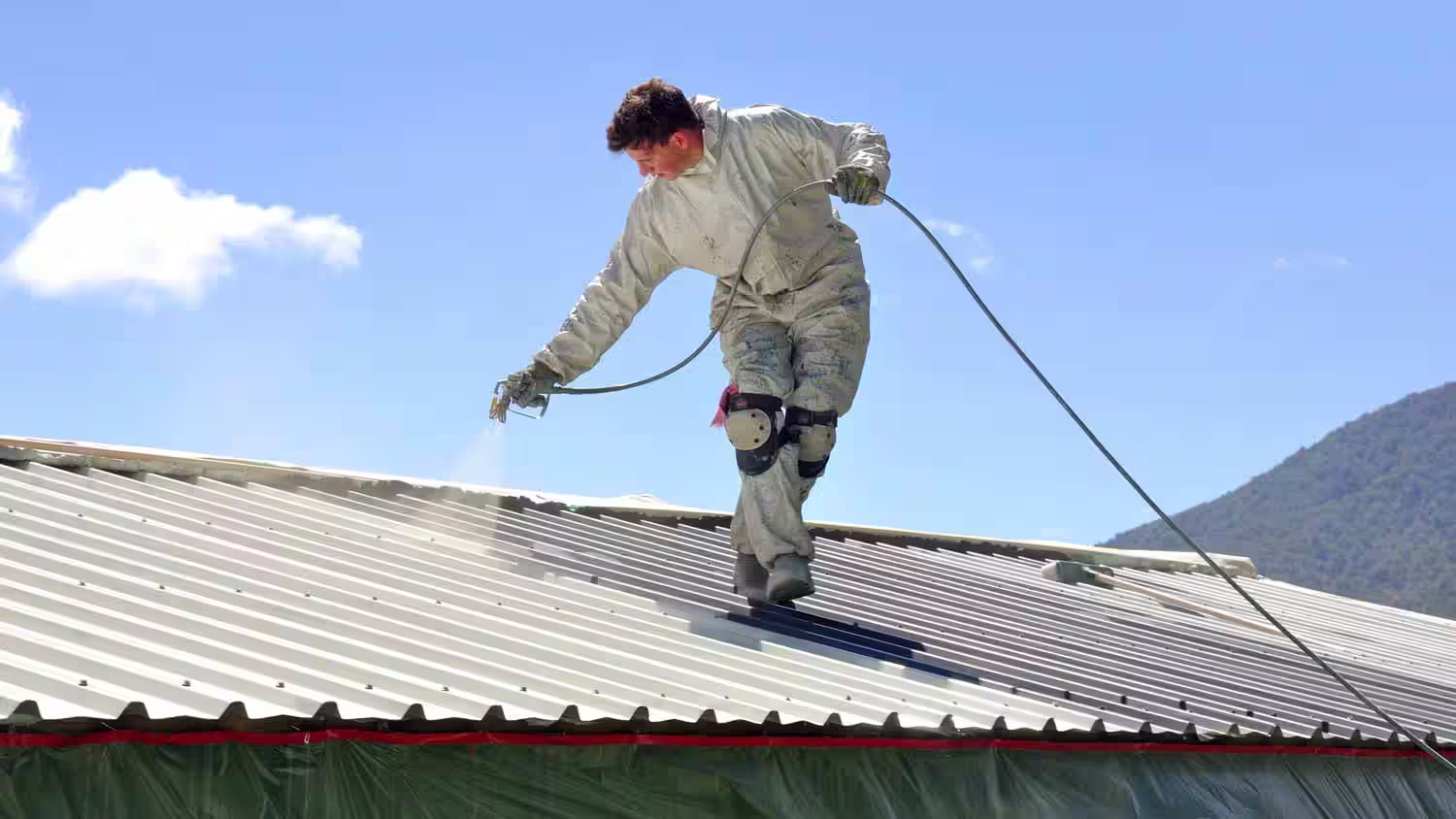
Protect outdoor surfaces from UV damage and weathering with advanced acrylic coating systems. All Source Building Services applies high-performance acrylic coatings that maintain color, resist fading, and provide flexible protection for roofs, walls, and exterior surfaces exposed to harsh environmental conditions.
Ever notice how some buildings maintain vibrant appearance for decades while others fade to chalky shadows within years? The difference isn’t luck – it’s acrylic technology. Unlike traditional paints that degrade under UV bombardment, acrylic coating systems use advanced polymer chemistry resisting photodegradation. The result? Colors that stay true, surfaces that remain protected, and building owners who avoid premature recoating cycles.
We’ve watched the coating industry evolve from basic latex paints to today’s sophisticated acrylic elastomerics. Modern formulations stretch and breathe with building movement, bridge hairline cracks before they become leaks, and reflect solar heat reducing cooling costs. These aren’t your grandfather’s house paints – they’re engineered systems designed for specific substrates and exposure conditions.
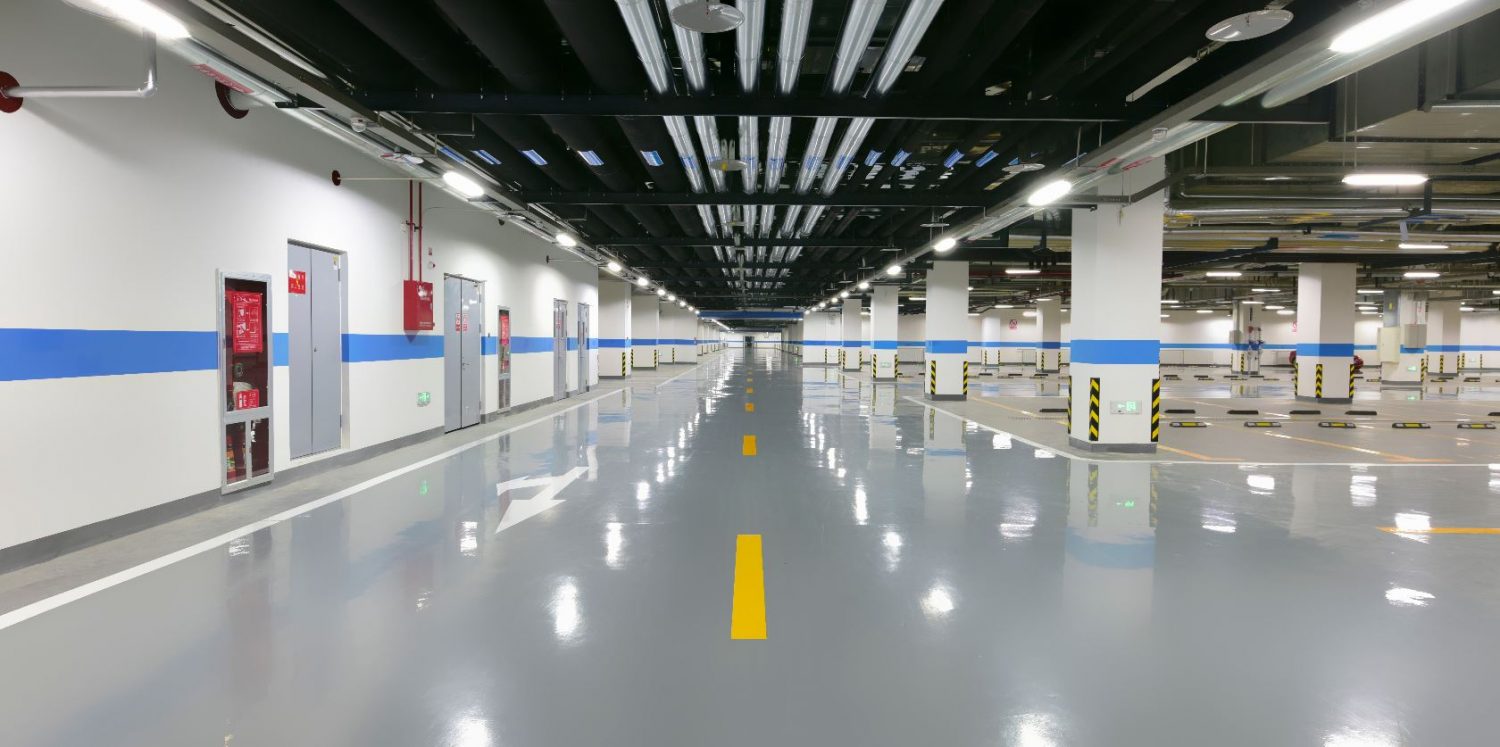
Acrylic vs Epoxy: Acrylics win for UV stability and flexibility. Epoxies win for chemical resistance and hardness. Use acrylics on exterior vertical surfaces, epoxies on interior floors.
Acrylic vs Urethane: Both offer good UV resistance. Urethanes provide harder finish resisting abrasion better. Acrylics cost less and easier DIY touch-ups.
Acrylic vs Silicone: Silicones excel in waterproofing and extreme temperature stability. Acrylics offer better substrate adhesion and easier application.
The “best” coating depends on your specific substrate, exposure, and performance requirements. We match coating chemistry to real-world conditions rather than defaulting to single technology for everything.
Get A Free Estimate
Marketing departments love calling everything “acrylic.” Reality: vast performance differences exist between formulations. 100% acrylic binders use pure acrylic polymers – expensive but worth it. These resist UV degradation, maintain flexibility in temperature extremes, and don’t chalk or fade like cheaper alternatives.
Vinyl acrylic blends acrylic with vinyl acetate polymers reducing cost 30-40% but sacrificing longevity. Fine for interior applications or budget-conscious projects accepting 5-7 year lifespan. On exterior surfaces facing harsh sun? False economy. The coating failing at year 6 when 100% acrylic would’ve lasted 12-15 years costs more long-term.
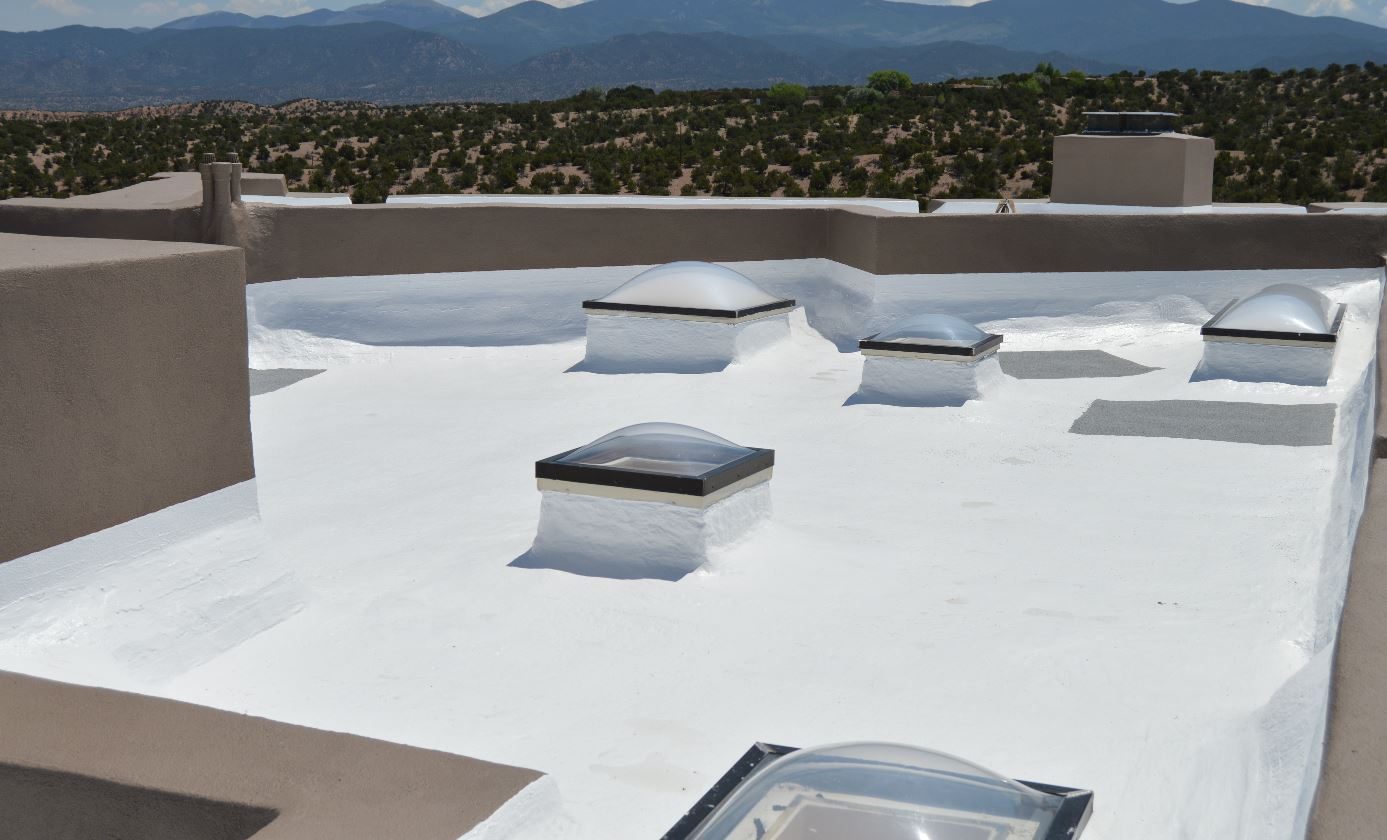
Standard acrylics create films 4-6 mils thick. Elastomeric formulations go 15-30 mils in single application, creating rubber-like membrane that stretches up to 300% without cracking. This bridges hairline cracks in stucco, accommodates building movement, and creates waterproof barrier on problem surfaces.
The tradeoff? Elastomerics cost 2-3x more per gallon and require specific substrate preparation. They also trap moisture if applied over wet substrates or areas without proper drainage. We use elastomerics strategically on crack-prone stucco, weathered concrete, and areas prone to substrate movement – not as default coating for everything.
Environmental regulations pushed industry toward water-based acrylics with low VOC emissions. Modern formulations perform comparably to old solvent-based products for most applications. Water-based offers easier cleanup, lower odor, and environmental compliance. Solvent-based still wins for application in cold weather (down to 35°F vs 50°F for water-based) and penetration on chalky or marginal surfaces.
We stock both, selecting based on application timing, substrate condition, and performance requirements rather than ideology.
Not all colors perform equally. Organic pigments (reds, yellows, oranges) fade faster than inorganic pigments (blacks, browns, earth tones). Deep colors absorb more UV radiation accelerating degradation. Light colors reflect UV lasting longer but show dirt more readily.
For maximum color stability, specify inorganic pigments in medium-toned colors. Avoid deep reds, bright yellows, or pure blacks in intense sun exposure unless prepared to accept some fading over time. We guide color selection based on exposure and client expectations.
Manufacturers test coatings in controlled laboratory conditions. Your building faces temperature swings from -10°F winter nights to 140°F summer roof surfaces. Cheap acrylics become brittle in extreme cold, cracking when buildings flex. Quality formulations maintain flexibility across 180°F temperature range through plasticizer technology.
We’ve seen too many failed coatings from contractors applying products at wrong temperatures. Coating manufacturers specify minimum substrate and ambient temperatures for good reason. Applying acrylic when concrete is 45°F might seem fine – coating looks good initially. Six months later: peeling and delamination because coating never properly fused to cold substrate.
Our rule: follow manufacturer specifications religiously. If weather doesn’t cooperate, we reschedule rather than crossing fingers and hoping.
Acrylic coatings need to be waterproof yet breathable – contradictory requirements demanding careful formulation. Waterproofing prevents rain intrusion. Breathability allows interior moisture vapor to escape rather than getting trapped under coating causing blistering.
Measured as permeance, ideal coatings allow water vapor transmission while blocking liquid water. Most quality acrylics achieve this balance. Problems arise when contractors apply thick elastomeric coatings over substrates with interior moisture sources. Moisture becomes trapped, pressure builds, coating delaminates.
Before coating, we assess moisture sources. Facilities with interior humidity, poor HVAC control, or groundwater issues may need different coating strategies or substrate moisture mitigation before acrylic application.
Acrylic manufacturers state coating is “only as good as the surface it’s applied to.” Yet contractors routinely skip proper cleaning, chalky surface removal, and crack repair to save time. Results are predictable: premature coating failure blamed on “defective materials.”
Proper preparation on aged concrete or masonry includes:
Preparation typically represents 60% of project labor. Contractors rushing preparation to hit deadlines create warranties claims we clean up later.
Clients sometimes request extra-thick coatings believing more is better. Reality: coating manufacturers engineer specific film thicknesses for optimal performance. Too thin sacrifices protection. Too thick creates brittleness, poor adhesion, and cracking.
Standard acrylic coatings perform optimally at 4-6 mils dry film thickness. Elastomerics work at 15-20 mils. Exceeding these specifications by applying extra coats seems like value-add but actually reduces performance and durability.
We apply coatings to manufacturer specifications – not thicker because “customer wants their money’s worth.” Proper thickness, properly applied, delivers promised lifespan.
Coating manufacturers offer impressive warranties – 10, 15, even 20 years. The fine print matters. Most warranties are prorated (20% coverage at year 5), cover materials only (not labor), and require professional application with proof of proper surface preparation.
Warranties also exclude “acts of God,” unusual environmental exposures, and substrate failures. They cover manufacturing defects in the coating – rarely the actual cause of coating failure in the field.
We provide realistic expectations about coating lifespan based on actual performance in your climate and exposure conditions, not marketing warranty terms.
At All Source Building Services, we are your trusted partner for all your commercial needs. Whether you require expert painting services, thorough air duct cleaning, or comprehensive renovation and repairs, our team of skilled professionals is here to exceed your expectations.
We take pride in delivering unparalleled quality, reliability, and customer service across all our service areas. Our commitment to excellence has earned us a stellar reputation among our clients, who trust us to handle their most demanding projects with precision and care.
Every crew carries insurance and is trained specifically in the service they are provideing. No hassles, just work done on time to keep your business running.
We understand the needs of our commercial property customers. We know how important it is to keep your business running with minimal disruption during the project.
With a State-of-the-Art Scheduling, Management, & GPS Technician Tracking System, we can Dispatch a Service Technician Within an Hour. We get the right team to you quickly.
Safety coatings do far more than make your facility look professional: they protect your workforce, your equipment, and your bottom line. Yet every week across Metro Atlanta, facility managers unknowingly compromise their warehouse safety by making preventable coating mistakes that lead to accidents, OSHA citations, and expensive remediation projects. Here’s the reality: improper industrial coatings […]
Learn the impact of high-rise building exterior painting in Atlanta. Enhance aesthetics and boost property value with expert solutions.
Discover tips for successful commercial painting in Atlanta this fall. Learn about preparation, weather monitoring, and material selection.
Discover essential safety protocols for effective handling and execution of commercial interior painting projects with trusted contractors in Atlanta.
Learn how industrial painting contractors in Atlanta expertly handle dust and debris to ensure safety, quality, and efficiency for your project.